

Reviewed by Dr. Rebecca Wagner
|
Reading time: four minutes
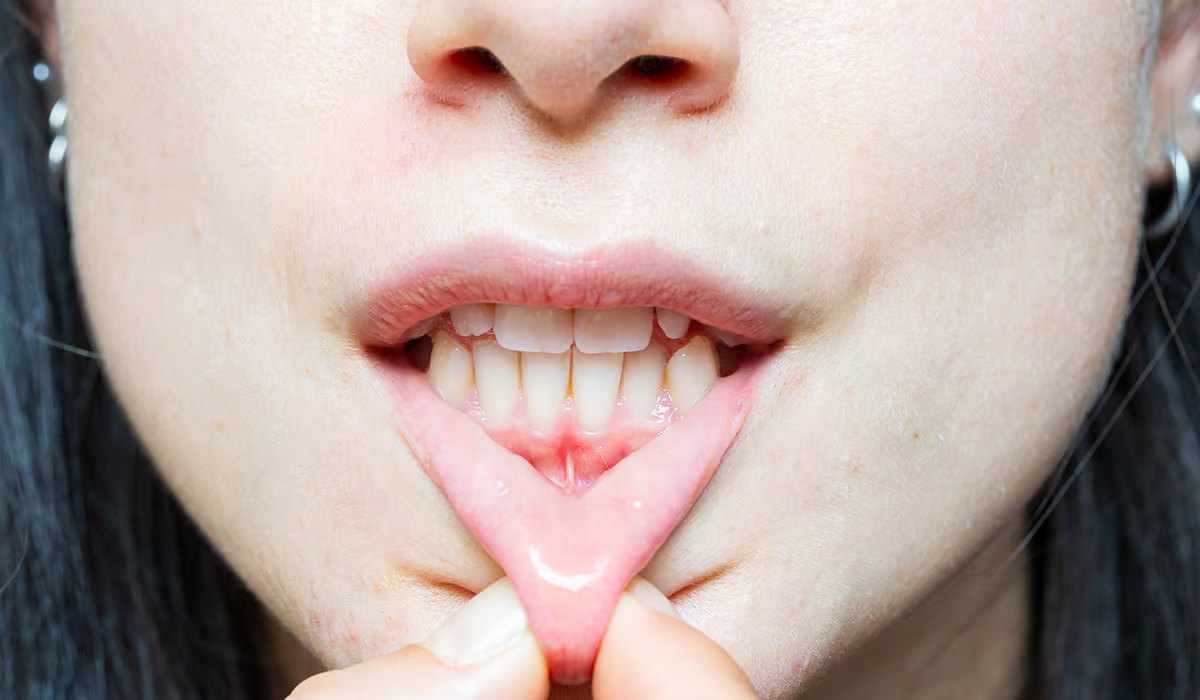
Gum recession happens when the gum tissue surrounding the teeth gradually pulls away, exposing more of the tooth or root surface. It can lead to tooth sensitivity and visible changes along the gumline. In many cases, recession develops from a combination of factors rather than one single cause.
1. Gum Disease
Gum disease is one of the most common causes of gum recession. As infection and inflammation affect the gums and supporting bone, the tissue may begin to pull away from the teeth.
2. Brushing Too Hard
Aggressive brushing and hard-bristled toothbrushes can wear down the gumline over time. This type of recession often appears near the front teeth or along areas that receive the most pressure during brushing.
3. Teeth Grinding and Clenching
Grinding and clenching place excessive pressure on the teeth and supporting structures. Over time, this stress may contribute to gum recession, inflammation, and damage near the gumline.
4. Poor Tooth Alignment
Crooked teeth and bite imbalance can place uneven pressure on certain areas of the gums. Teeth that sit too far forward or overlap heavily may be more prone to recession.
5. Tobacco Use
Smoking and tobacco products increase the risk of gum disease and reduce blood flow to the gums. This can make the tissue more vulnerable to inflammation and breakdown.
6. Genetics
Some people naturally have thinner gum tissue or are genetically more prone to recession. Even with good oral hygiene habits, they may notice recession developing more easily over time.
7. Repeated Irritation or Trauma
Lip and tongue piercings can repeatedly rub against the gums and teeth. Other forms of irritation, including improperly fitting dental appliances, may also contribute to tissue damage.
8. Age
Gum recession can become more common with age as years of brushing, chewing, inflammation, and daily wear affect the gumline. Age alone is not usually the only cause, but it can make existing risk factors more noticeable over time.
Can You Reverse Gum Recession?
Gum tissue does not naturally grow back once recession occurs. However, early treatment may help stop the condition from progressing and protect the remaining gum tissue.
If inflammation from gum disease or plaque buildup is contributing to recession, professional periodontal treatment and improved oral hygiene may help stabilize the area. In more advanced cases, gum grafting procedures may be recommended to cover exposed roots and protect the teeth.
Signs Gum Recession May Be Getting Worse
Common signs of worsening gum recession include:
- Increased tooth sensitivity
- Teeth appearing longer
- Visible tooth roots
- Notching near the gumline
- Bleeding or inflamed gums
- Spaces developing between teeth
If you notice these changes, it is important to have the area evaluated before additional gum and bone loss develops.
Gum Recession Treatment at The Wagner Centre
At The Wagner Centre, Dr. Rebecca Wagner provides cutting-edge periodontal care. Treatment begins by identifying the cause of recession, then tailoring care to the amount of tissue loss, the location of recession, and your long-term needs.
For more advanced recession, gum grafting techniques may be used to replace or regenerate lost tissue and help create healthier, more balanced gums. Several grafting options and regenerative materials are available, allowing treatment to be personalized to each case.
Protect Your Gum Health
Early evaluation may help slow progression, reduce sensitivity, and protect the supporting structures around your teeth.
To schedule an evaluation at The Wagner Centre, call (717) 263-0606 or visit 129 Chambers Hill Dr, Chambersburg, PA 17201.
FAQs
Periodontal disease is one of the leading causes of gum recession. Other common causes include aggressive brushing, teeth grinding, tobacco use, and poor oral hygiene.
Gum tissue does not naturally grow back after recession occurs. However, periodontal treatment and gum grafting procedures may help protect exposed roots and improve gum coverage.
Zyns and other nicotine pouches may contribute to gum irritation, especially when they are placed against the same area of the gums repeatedly. Nicotine can also affect gum health, so it is best to mention pouch use during your periodontal evaluation.
Some gum recession can become more common with age, but it should not be ignored. Recession may be a sign of gum disease, brushing trauma, bite pressure, or other factors that should be evaluated.
