

Reviewed by Dr. Rebecca Wagner
|
Reading time: four minutes
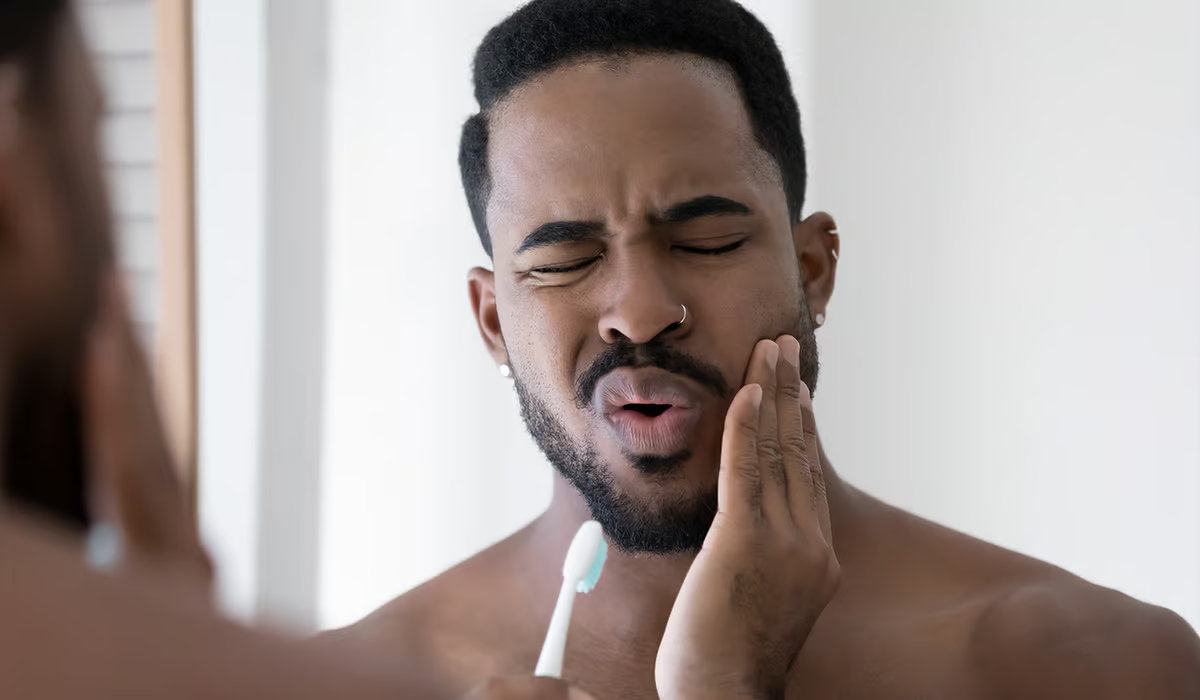
Swelling after wisdom teeth removal usually peaks within two to three days and gradually improves over the following week. The amount and duration of swelling can vary depending on how many teeth were removed, whether they were impacted, and how complex the procedure was.
When Does Swelling Go Down After Wisdom Teeth Removal?
Swelling usually begins to decrease around the third or fourth day after wisdom teeth removal. Recovery varies, however, and removing several teeth or deeply impacted wisdom teeth may result in swelling that lasts longer.
Swelling typically follows a predictable pattern:
- Days 1–2: Swelling develops and may gradually increase
- Days 2–3: Your cheeks and jaw may look or feel the most swollen
- Days 4–7: Swelling should steadily decrease
- After one week: Most visible swelling is usually gone, although mild bruising, tenderness or jaw stiffness may remain
- Up to two weeks: Residual swelling or soreness may take longer to resolve after a more complex extraction
How to Reduce Swelling After Wisdom Teeth Removal
You may not be able to prevent swelling entirely, but careful aftercare can help keep it under control. We recommend consistent icing for the first 72 hours after wisdom teeth removal. Ice packs can be changed about every 30 minutes as they warm, allowing you to continue applying cold to the area.
A hands-free head wrap can also help hold the ice packs comfortably against the sides of the face and make consistent icing easier during recovery.
Other ways to manage swelling include:
- Keep your head elevated
- Take prescribed or recommended medications as directed.
- Drink plenty of water without using a straw.
- Eat soft, cool or lukewarm foods that require little chewing.
- Avoid strenuous exercise for the first few days.
- Do not smoke or vape while the extraction sites heal.
- Avoid touching the area with your fingers or tongue.
- Follow the personalized instructions provided by your dental team.
Rest is important during the early stages of recovery. Trying to return to strenuous activities too quickly may increase discomfort, bleeding or swelling.
When Is Swelling a Sign of a Problem?
Swelling is expected after wisdom teeth removal, but it should begin to improve after the first few days. Contact your dentist if the swelling continues to increase after day three or four, improves and then returns, or becomes unusually hard, hot or painful.
Other warning signs include:
- Fever or feeling generally unwell
- Pus or discharge from the extraction site
- A persistent foul taste or odour
- Severe or increasing pain
- Bleeding that does not stop
- Difficulty breathing or swallowing
If you experience difficulty breathing or swallowing, seek emergency medical attention.
Personalized Wisdom Teeth Care
Wisdom teeth may be impacted, angled or partially covered by gum tissue, which can affect the complexity of removal and the recovery that follows.
Dr. Rebecca Wagner is a board-certified periodontist with over 30 years of experience in surgical dental care, including wisdom teeth removal. She prioritizes comfort with a calm, private environment designed to help patients feel at ease.
At The Wagner Centre, patients receive personalized aftercare instructions and treatment supported by advanced technology, with options such as platelet-rich growth factors to support healing.
Schedule a Wisdom Teeth Consultation
If your wisdom teeth are painful, impacted or difficult to clean, an evaluation can help determine whether removal is recommended and what to expect during recovery.
To schedule an evaluation, call (717) 263-0606 or visit 129 Chambers Hill Dr, Chambersburg, PA 17201.
FAQ
Day 3 is often the peak of swelling and discomfort because the body’s inflammatory response is at its strongest. In the first 48–72 hours, blood flow and immune activity increase in the surgical area to begin healing, which can temporarily make swelling, stiffness and soreness feel worse before they start to improve.
One side may be more swollen if the wisdom tooth on that side was more deeply impacted or required a more involved removal. Some difference between sides can be normal, but contact your dental provider if one-sided swelling becomes significantly worse, increasingly painful, or occurs with fever or drainage.
Probably not significantly. Pineapple juice contains bromelain, but you would need to consume a large amount to potentially affect swelling, and its acidity may irritate the mouth after surgery.
Use a cold compress during the first 24 to 48 hours after wisdom teeth removal to help control swelling. After the first couple of days, warm compresses may help with lingering jaw stiffness and soreness. Follow the specific post-operative instructions provided by your dental team.
Not always. A dry socket typically develops 2–5 days after extraction rather than immediately. It is usually identified by worsening pain that may radiate to the ear or jaw, a bad taste or smell, and an empty-looking socket where the blood clot has been lost.
