

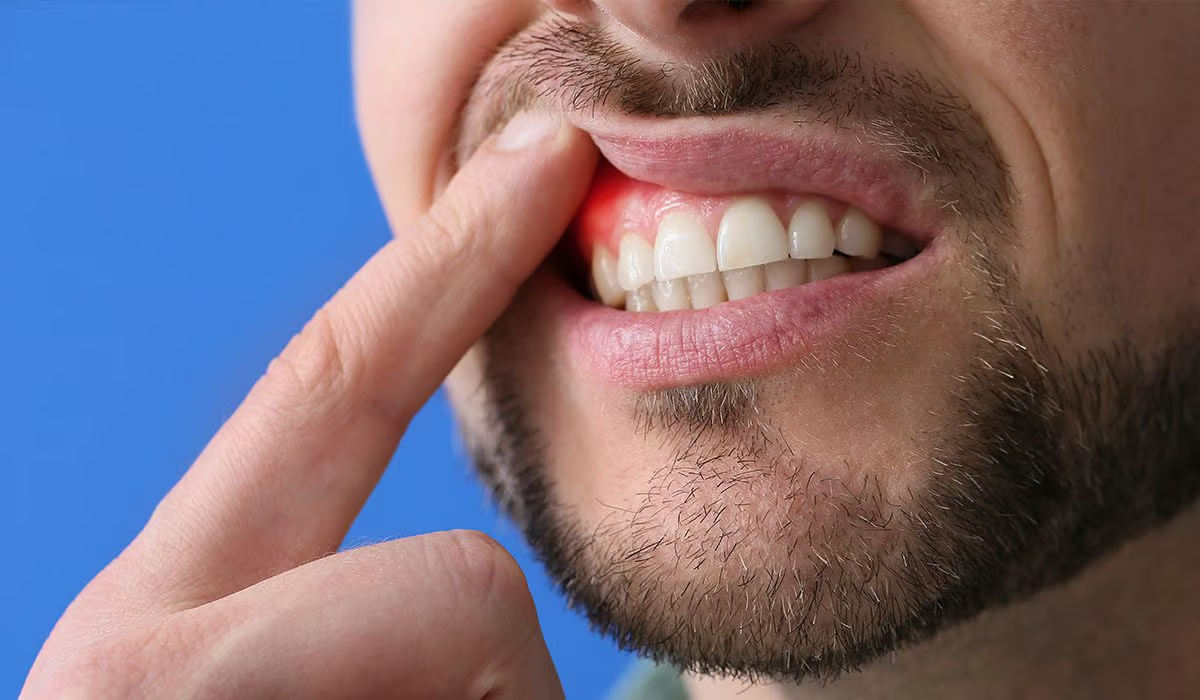
Peri-implantitis is an infection that affects the gums and bone supporting a dental implant. Without treatment, it can lead to progressive bone loss and may eventually compromise the stability of the implant. Advances in laser dentistry have introduced minimally invasive options to help manage infection while preserving healthy tissue.
What Is LAPIP Laser Therapy?
The goal of peri-implantitis treatment is to reduce infection, disinfect the implant surface, and create an environment that supports healing. Laser treatment for peri-implantitis (LAPIP) using the PerioLase MVP-7 Nd:YAG laser and.or the Fontana Erbium laser is a minimally invasive treatment designed to achieve these goals. This laser is able to selectively target bacteria and remove infected tissue while preserving as much healthy gum tissue as possible.
What Are the Advantages of LAPIP?
LAPIP offers several advantages over conventional surgical approaches.
Benefits include:
- Minimally invasive: LAPIP uses a specialized dental laser instead of scalpels, eliminating the need for cutting and stitching the gums.
- Supports natural healing and regeneration: The laser targets diseased tissue while leaving healthy areas intact, encouraging the body’s ability to reattach gum tissue and support bone regeneration without the need for grafting.
- Helps preserve the existing implant: By effectively reducing infection, LAPIP helps patients keep their current implant and avoid more complex replacement procedures.
- Faster recovery: Patients typically experience less pain, swelling, and downtime compared to traditional surgical methods.
- Reduced bleeding: The laser cauterizes as it works, helping to minimize bleeding and improve comfort during and after the procedure.
- Suitable for complex medically conditions: LAPIP is often a good option for individuals with conditions such as diabetes or those taking blood thinners.
When Is LAPIP Recommended?
LAPIP may be recommended if you have peri-implantitis after a thorough exam. Treating the infection early can help prevent further damage and improve the chances of keeping your implant healthy.
Common symptoms of peri-implantitis include the following.
- Bleeding around a dental implant
- Swollen or tender gums
- Persistent bad breath or an unpleasant taste
- Gum recession around the implant
- Pus or drainage
- Increasing pocket depth around the implant
- Loose or unstable dental implants in advanced cases
Peri-implantitis will not resolve without professional care, so if you are experiencing any of these symptoms, it is important to schedule an exam promptly.
Advanced Peri-Implantitis Treatment
Dr. Rebecca Wagner is a board-certified periodontist with advanced training in laser dentistry. She uses the PerioLase MVP-7 Nd laser to provide gentle, minimally invasive care, including LAPIP treatment for patients with peri-implantitis when appropriate.
Dr. Wagner has extensive experience in treating complex gum and implant conditions and is committed to staying at the forefront of minimally invasive periodontal therapies. Her approach focuses on preserving dental implants whenever possible through precise, tissue-conserving treatment and careful management of the surrounding gums and bone.
You will receive a comprehensive examination to determine the extent of the infection and the most appropriate treatment for you. If laser therapy is recommended, your treatment plan is tailored to your individual needs and long-term implant health.
Protect Your Dental Implants
If you have noticed bleeding, swelling, or other changes around a dental implant, early evaluation can help determine whether treatment is needed.
To schedule an evaluation, call (717) 263-0606 or visit 129 Chambers Hill Dr, Chambersburg, PA 17201.
FAQ
Peri-implant mucositis is inflammation that affects only the gum tissue surrounding an implant and does not involve bone loss. When left untreated, it may progress to peri-implantitis, making early diagnosis and treatment especially important.
LAPIP is performed using local anaesthesia and is generally well tolerated. Because it does not require traditional surgical incisions, many patients experience less discomfort during recovery than with conventional surgical procedures.
LAPIP is designed to treat infection around a dental implant and may help preserve implants affected by peri-implantitis. The success of treatment depends on factors such as the severity of the disease and the amount of supporting bone that remains.
Recovery varies from patient to patient, but many people experience minimal discomfort and return to their normal routine within a day or two. Detailed post-treatment instructions will be provided based on your individual case.
