

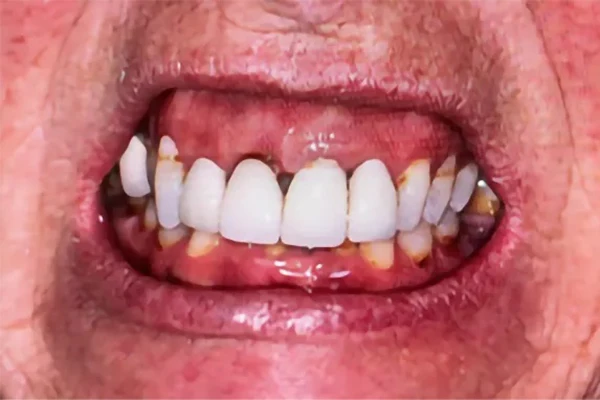
Gum disease, also known as periodontal disease, is a common condition that affects millions of people. If left untreated, it can lead to serious oral health problems, including tooth loss. Fortunately, not all cases of gum disease require surgery. At The Wagner Centre in Chambersburg, PA, we specialize in non-surgical gum disease treatments that can restore your gum health and help you maintain a beautiful smile.
In this blog, we’ll explore the types of non-surgical treatments available, their costs, and how they can effectively restore your gums without the need for invasive surgery.
What Is Gum Disease?
Gum disease occurs when bacteria in plaque build up along the gumline, causing inflammation and damage to the gums and supporting bone. It typically progresses in two stages
1. Gingivitis: The early stage of gum disease, characterized by red, swollen gums that may bleed during brushing or flossing.
2. Periodontitis: An advanced stage where the gums pull away from the teeth, forming pockets that collect bacteria and debris, leading to bone loss and potential tooth loss.
The good news is that many cases of gum disease, especially in its early stages, can be treated without surgery.
Types of Non-Surgical Gum Disease Treatments
Non-surgical treatments aim to remove bacteria, reduce inflammation, and promote healing. Here are the most common options:
1. Scaling and Root Planing (Deep Cleaning)
Scaling and root planing is one of the most effective non-surgical treatments for gum disease. This two-step process involves:
● Scaling: Removing plaque and tartar from above and below the gumline.
● Root Planing: Smoothing the tooth roots to help gums reattach and prevent further bacterial buildup.
This deep cleaning treatment is often the first line of defense against gum disease.
2. Antibiotic Therapy
Antibiotics can be used to target the bacteria causing gum disease. These may be applied locally to the affected areas in the form of gels or powders, or prescribed as oral antibiotics. Antibiotic therapy is often used alongside scaling and root planing to enhance its effectiveness.
3. Laser Therapy
Laser therapy is a minimally invasive option that uses advanced dental lasers to remove infected gum tissue and kill bacteria. It’s highly precise, promoting faster healing and reducing discomfort compared to traditional methods.
4. Professional Dental Cleanings
Regular professional cleanings can help prevent gum disease from progressing. While cleanings alone may not treat advanced gum disease, they are essential for maintaining gum health after other non-surgical treatments.
5. Mouth Rinses and Topical Medications
Your dentist may recommend therapeutic mouth rinses or topical medications to reduce bacteria and inflammation. These products can be used as part of your daily oral hygiene routine to support gum health.
Can Gums Be Restored Without Surgery?
Yes, gums can often be restored without surgery, especially in the early stages of gum disease. Treatments like scaling and root planing, combined with good oral hygiene, can help reverse the effects of gingivitis and mild periodontitis. Here’s how:
● Reduce Inflammation: Non-surgical treatments target the underlying cause of gum inflammation, allowing the gums to heal.
● Reattach Gums: Smoothing the tooth roots during root planing can help the gums reattach to the teeth.
● Prevent Further Damage: By removing bacteria and plaque, non-surgical treatments stop the progression of gum disease, protecting your gums and teeth.
However, in cases of advanced gum disease, where significant bone or tissue loss has occurred, surgical intervention may be necessary to fully restore oral health. This is why early detection and treatment are critical.
What Does Non-Surgical Gum Disease Treatment Cost?
The cost of non-surgical gum disease treatment can vary depending on the severity of the condition and the type of treatment required. Here’s a general breakdown:
● Scaling and Root Planing: Costs typically range from $200 to $400 per quadrant of the mouth.
● Antibiotic Therapy: Local antibiotics may cost $35 to $85 per site, while oral antibiotics can range from $20 to $200 depending on the prescription.
● Laser Therapy: The cost for laser treatment can range from $500 to $1,200 depending on the extent of the gum disease.
● Professional Cleanings: Routine cleanings usually cost between $75 and $200.
At The Wagner Centre, we work with a variety of insurance plans and offer flexible financing options to ensure that gum disease treatment is accessible to everyone.
The Benefits of Non-Surgical Gum Disease Treatment
Choosing non-surgical treatment for gum disease offers several advantages:
● Minimally Invasive: Non-surgical treatments are less invasive than surgical options, resulting in faster recovery times.
● Cost-Effective: These treatments are often more affordable than surgery.
● Effective for Early Stages: Non-surgical methods can halt and even reverse the progression of gum disease when caught early.
By seeking treatment early, you can avoid the need for more extensive procedures in the future.
Why Choose The Wagner Centre in Chambersburg, PA?
At The Wagner Centre, we are committed to providing top-quality care for patients in Chambersburg, Pennsylvania, and the surrounding areas. Our experienced team uses state-of-the-art technology to diagnose and treat gum disease effectively and comfortably. We take the time to understand your unique needs and create a personalized treatment plan to restore your gum health.
Take the First Step Toward Healthier Gums
If you’re experiencing symptoms of gum disease, don’t wait to seek treatment. Non-surgical options can effectively restore your gum health and prevent more serious issues down the road. Contact The Wagner Centre in Chambersburg, PA, today to schedule your consultation and take the first step toward a healthier, happier smile.
Let us help you achieve optimal oral health without the need for invasive surgery!
