

Dental implants are one of the most reliable and long-lasting solutions for replacing missing teeth—but not everyone is ready for implant placement right away. One of the most common questions patients ask at The Wagner Centre in Chambersburg, PA is whether they will need a bone graft before getting their implant.
The answer? It depends on the strength, health, and volume of your jawbone. This guide walks you through what bone grafting is, why it matters, and how Dr. Rebecca Wagner determines whether it’s necessary for your treatment plan.
Why Bone Health Matters for Dental Implants
A dental implant works by anchoring into the jawbone, just like a natural tooth root. For the implant to stay secure, the bone must be:
● Thick enough
● Tall enough
● Strong enough
● Free from infection or severe deterioration
If the jawbone has weakened over time, the implant may not properly fuse or remain stable—making bone grafting an important first step for many patients.
What Causes Bone Loss in the Jaw?
Several common conditions can reduce bone density and make grafting necessary:
1. Long-Term Tooth Loss
When a tooth is missing, the bone beneath it starts to shrink due to lack of stimulation.
2. Gum Disease
Advanced periodontal disease destroys bone around the teeth.
3. Trauma or Infection
Injuries, abscesses, or cysts may damage bone volume.
4. Ill-Fitting Dentures
Years of denture wear can cause the bone ridge to thin and flatten.
At The Wagner Centre, we see these scenarios often—especially for patients who have lived with missing teeth for many years or have struggled with loose dentures.
What Is a Bone Graft?
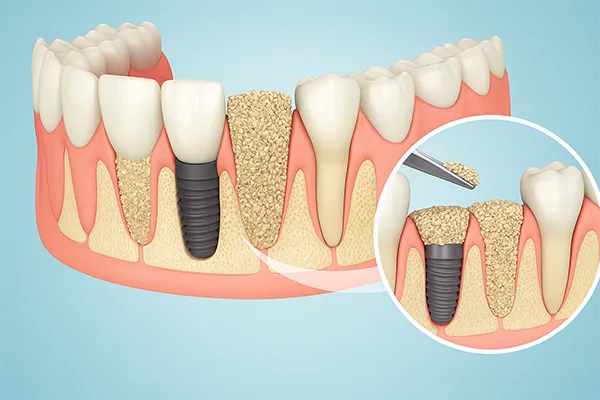
A bone graft is a procedure that rebuilds and strengthens the jawbone so it can securely hold a dental implant. The graft material is carefully placed in the area where bone is lacking, and over time, your body naturally integrates with it to create new, solid bone.
Common Types of Bone Grafting
● Socket preservation after tooth extraction
● Sinus lift for upper molars
● Ridge augmentation for significant horizontal or vertical bone loss
Dr. Wagner will choose the technique that best suits your anatomy and restorative goals.
How Dr. Wagner Determines Whether You Need a Bone Graft
How Dr. Wagner Determines Whether You Need a Bone Graft
Your evaluation includes:
● A detailed exam of your gums and teeth
● 3D CBCT imaging, which shows the exact density and shape of the bone
● A review of medical history, including periodontal disease and past dental issues
● Planning for where the implant will sit, how many implants you need, and how they will support your new tooth or full-arch restoration
If the bone in your implant site is too thin or soft, a graft will likely be recommended to ensure long-term success.
Is a Bone Graft Always Required?
No—many patients have enough healthy bone to support an implant right away. You may not need a bone graft if:
● The tooth was recently lost
● Your bone is naturally dense
● You have no history of gum disease or infection
● The implant site is in an area with strong bone support
Only a specialist can confirm this through proper imaging. At The Wagner Centre, your treatment plan is always tailored to your specific needs—never a one-size-fits-all approach.
What to Expect During and After a Bone Graft
Bone grafting is a routine procedure, and most patients are surprised by how straightforward it feels.
During the procedure
● The area is numbed for comfort.
● Graft material is placed precisely where bone is lacking.
● The site is closed and allowed to heal naturally.
Healing timeline
Most grafts heal within 3–4 months, allowing new bone to fully form before placing the implant. In some cases, Dr. Wagner can perform bone grafting and implant placement on the same day, depending on your bone quality.
Why Chambersburg Patients Trust Dr. Rebecca Wagner for Bone Grafting and Implants
As a periodontist and implant specialist, Dr. Wagner has advanced training in:
● Bone regeneration
● Guided implant surgery
● Full-mouth restorations
● Treating complex cases with significant bone loss
Her expertise ensures your treatment is not only safe but also built for long-term success. Many patients who believed they were “not candidates” for implants find renewed hope through modern grafting techniques offered at The Wagner Centre.
Schedule Your Dental Implant Evaluation at The Wagner Centre
If you’re wondering whether you need a bone graft before getting dental implants, the best way to know is through a personalized consultation. Dr. Wagner will evaluate your bone health, review your goals, and design a treatment plan that restores function, comfort, and confidence.
Click to schedule your consultation and take the first step toward a stronger, healthier smile.
