

Reviewed by Dr. Rebecca Wagner
|
Reading time: three minutes
Dental implants are designed to function like natural teeth, but they still require consistent care to remain healthy. Without proper maintenance, the surrounding gums and bone can become compromised over time. Ongoing care includes both daily oral hygiene and routine professional maintenance.
Caring for Dental Implants at Home
Daily care focuses on keeping the gumline and surrounding tissues free of bacteria. Small areas around the implant can trap plaque if not cleaned properly. While implants cannot develop cavities, the tissues supporting them can still become infected.
Water Flosser First
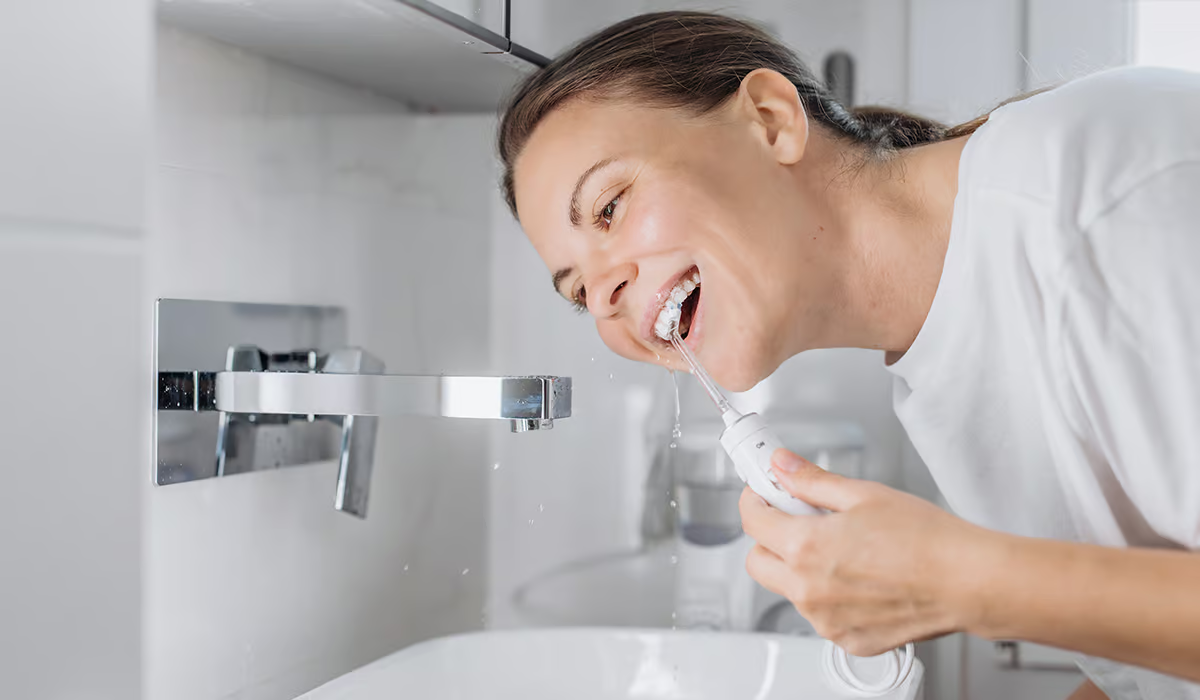
Using a water flosser at the start of your routine helps flush out bacteria and debris along the gumline and around the implant. Standard or specialized tips can be used to clean hard-to-reach areas, including under certain restorations.
Brush Properly
Brush twice daily using a soft-bristled toothbrush. Focus on the gumline, where plaque tends to collect. A non-abrasive or whitening toothpaste may be used to keep the restoration surface clean without causing damage.
Floss Around Each Implant
Flossing removes plaque between teeth and around the implant where a brush cannot reach. Interdental brushes or floss designed for implants may be recommended based on your restoration type.
Habits That Affect Your Implants
Daily habits also influence implant longevity. Avoid smoking, which can impair healing and increase complication risk. If you grind your teeth, a nightguard may be recommended to reduce excess pressure on the implant.
Why Professional Maintenance Is Necessary
Even with excellent home care, bacteria can accumulate below the gumline where brushing and flossing cannot reach. Periodontal maintenance visits allow us to evaluate tissue health, check for early inflammation, and remove buildup in areas that are difficult to clean at home. Most people benefit from these visits every three to six months, depending on individual risk factors.
Specialized techniques and instruments may be used to clean around implants without damaging their surface. Deeper cleanings may be performed when needed to help control bacteria and support long-term stability.
What Happens If Dental Implants Are Not Maintained?
Without consistent care, the tissues around a dental implant can become inflamed. This early stage is known as peri-implant mucositis and may cause redness or bleeding.
If inflammation progresses, it can develop into peri-implantitis, a condition that affects the supporting bone. Bone loss around the implant can compromise stability and may eventually lead to implant failure if left untreated.
Maintaining Dental Implants at The Wagner Centre
At The Wagner Centre, Dr. Rebecca Wagner focuses on both the placement and long-term maintenance of dental implants. As a periodontist, she has advanced training to monitor the health of the gums and bone that support each implant.
Ongoing periodontal maintenance, combined with careful evaluation, allows early detection of changes before they progress. This approach helps protect the longevity of your implants and your overall oral health.
Long-Term Success Starts With Consistent Care
If you have dental implants or are considering treatment, ongoing monitoring plays an important role in protecting your results.
To schedule an evaluation, call (717) 263-0606 or visit 129 Chambers Hill Dr, Chambersburg, PA 17201.
FAQ
Dental implants are not difficult to maintain, but they do require consistent care. Daily brushing, flossing, and routine dental visits are essential for keeping the surrounding tissues healthy.
While the implant itself cannot decay, the surrounding gums and bone can become infected. This is known as peri-implant disease and can lead to complications if not treated.
Dental implants do not require complex care, but tools like floss, interdental brushes, or water flossers may be recommended to clean around them effectively.
With proper maintenance, dental implants can last many years or even decades. Long-term success depends on consistent oral hygiene and regular professional monitoring.
